
The Guide
Learn how pearls and gemstones are formed, evaluated, and cared for.
The Birth of Brilliance
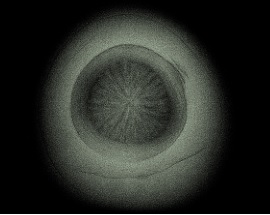
Figure: The RTX images of the pearl’s structure
How a Pearl Forms
A pearl forms when a mollusk deposits layers of nacre around an implanted nucleus or tissue irritant. In pearl cultivation, skilled technicians carefully introduce the materials that begin this natural process, allowing layers of nacre to gradually build over time.
The 5 Factors That Define Pearl Quality
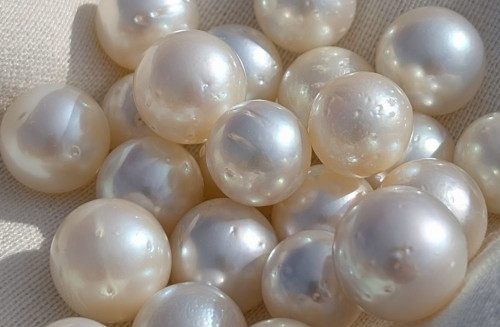
Luster
Luster is what gives a pearl its signature beauty. Even a smaller pearl with excellent luster can be more valuable than a larger one with a dull appearance.
Surface
No pearl is perfectly flawless, but the fewer visible imperfections, the more valuable it is.
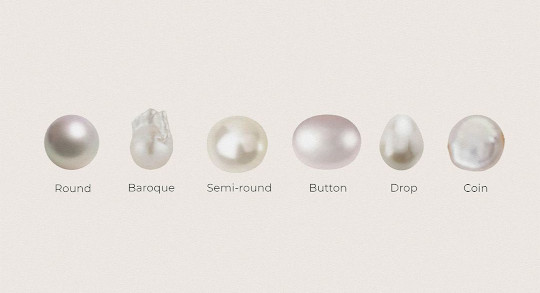
Shape
Size
Pearl size is typically measured in millimeters.
Larger pearls are rarer and generally more valuable, especially in varieties such as South Sea pearl. However, size alone does not determine quality—balance with other factors is essential.
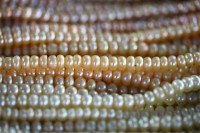
Color
Pearls come in a wide range of natural colors, from white and cream to pink, silver, and even dark tones like those found in Tahitian pearl.
The Balance of Beauty
A beautiful pearl is the result of balance between all five factors. Size alone does not define quality — luster, surface, shape, and color all contribute to its character.
We evaluate our freshwater cultured pearls using criteria recognized by professional gemological education, including luster, surface quality, shape, size, and color.
For easier understanding, we use the AAA-A grading scale as a reference when describing pearl quality. This scale helps customers compare pearls, while we also consider the overall beauty and character of each piece.
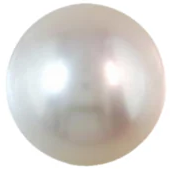 AAA
AAA
Superlative
Virtually flawless to the naked eye. Features mirror-like luster with extremely sharp reflections and deep nacre thickness.
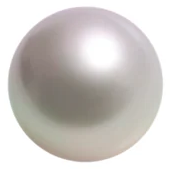 AA
AA
Premium
Very high luster with sharp reflections. May possess minor natural surface traits visible only upon close inspection.
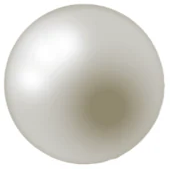 A
A
Fine
Good luster with soft reflections. Noticeable natural surface characteristics that highlight the pearl's organic origin.
Pearl Care & Preservation
As organic gemstones, pearls require specific maintenance to preserve their soft glow and natural elegance over time.
Wear with Care
Pearls should be the final touch when dressing. Avoid contact with perfumes, cosmetics, and hairsprays, as these substances can gradually dull the surface of the nacre.
Clean Gently
After each wear, wipe your pearls with a soft, dry cloth. For deeper cleaning, use a slightly damp cloth with clean water. Never use harsh chemicals or ultrasonic cleaners.
Store Properly
Keep pearls in a soft pouch, separate from harder gemstones that may scratch the surface. Avoid airtight containers, as pearls require a small amount of humidity to prevent drying and cracking.
The Sapphire Standard
Value is dictated by Hue, Tone, and Saturation. We specialize in unheated Royal Blue and Cornflower varieties.
Certification
For colored stones, GIA, GRS, or SSEF reports are the only way to confirm thermal treatment status.